
From sacred sites to solar bins.
For more than 10,000 years, the Muwekma Ohlone people have tended the waters and oak hills of the San Francisco Bay.1 The Green Education Foundation grew from that same responsibility: heal the land, protect the vulnerable, and empower the next generation.1
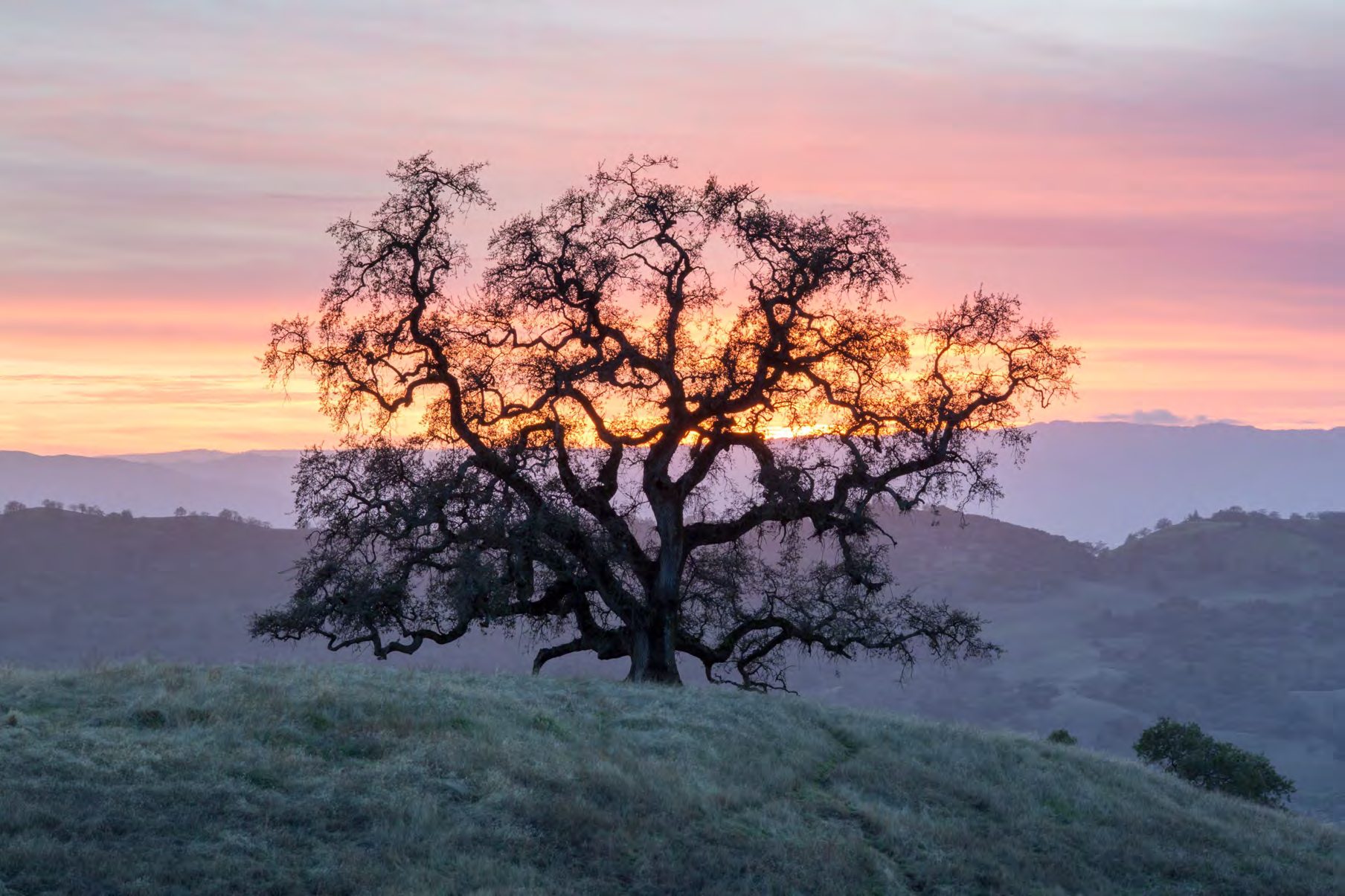
Photo: Pussreboots, CC BY 2.0, via Wikimedia Commons, cropped
The original stewards of the Bay.
For more than 10,000 years, the Muwekma Ohlone have cared for the oak woodlands, estuaries and sacred hills of what is now San Francisco, San Mateo, Santa Clara, Alameda and Contra Costa counties. At the time of Spanish contact, Ohlone-speaking communities numbered around 30,000 people, living in balance with the land that had sustained them since time immemorial.1
That balance was shattered in 1769. At Missions Dolores, Santa Clara and San Jose, thousands of Muwekma ancestors were forced into labor, their children taken and their languages silenced. Secularization in the 1830s scattered the survivors to East Bay rancherias: Alisal near Pleasanton, Del Mocho, El Molino and others.1
California statehood in 1850 brought bounties, unratified treaties and waves of violence. By the early 20th century, the Muwekma families, then known as the Verona Band of Alameda County, numbered just 62 souls.1 Even in exile, they held fast to their kinship lines, their cultural memory and their duty to Mother Earth.
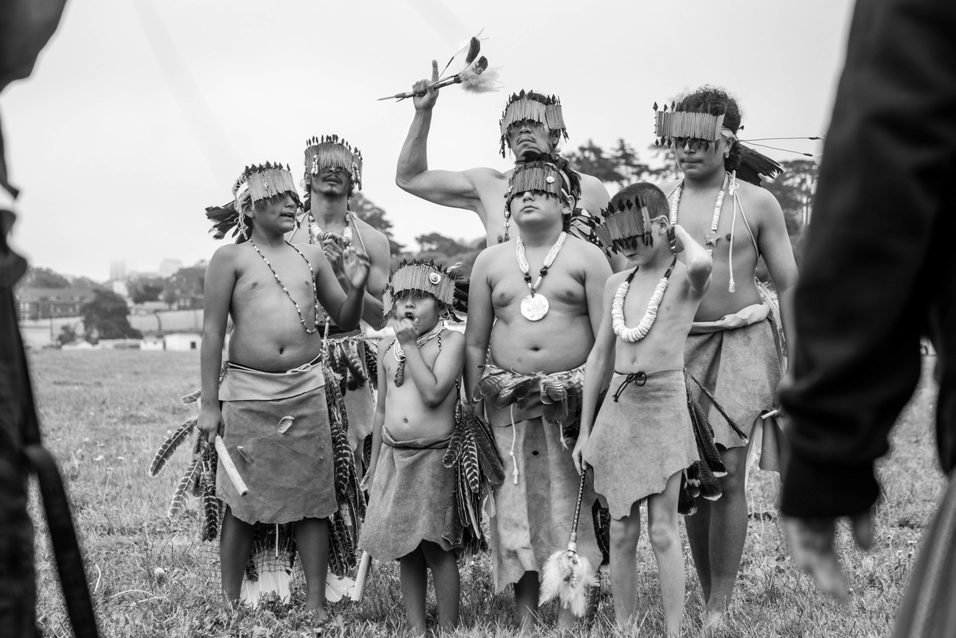
The fate of our planet rests in our ability as a species to change.Chairwoman Charlene NijmehMuwekma Ohlone Tribe of the San Francisco Bay Area2
It started in the water.
Long before there was a foundation, there were tribal members wading into polluted creeks, pulling out what others had thrown away.
- Early 2000sWorking alongside Coastal Habitat Education and Environmental Restoration (CHEER), the Tribe cleaned polluted waterways that were regularly the site of illegal dumping. Much of what they pulled out was textile waste.2
- Mid-2000sPartnerships with the Salvation Army, Goodwill and local faith communities to reclaim discarded textiles.2
- 2008
- Aug 2011
- 2012Partnerships across Mexico, Guatemala, El Salvador and Honduras create robust reuse channels.2
- 2013GEF begins placing its Neighborhood Donation Recycling Stations (NDRS).4
- 2016A partnership with a fiber processor in Guatemala turns unusable textiles into fiber for carpet underlay, mattress padding and furniture filling.2
- 2018Charlene Nijmeh is elected Chairwoman of the Muwekma Ohlone Tribe, succeeding her mother, Rosemary Cambra.5
- TodayGEF diverts 60 million pounds of textile waste from American landfills every year and feeds micro-enterprises across Central America.2
Rosemary Cambra: four decades on the front line.
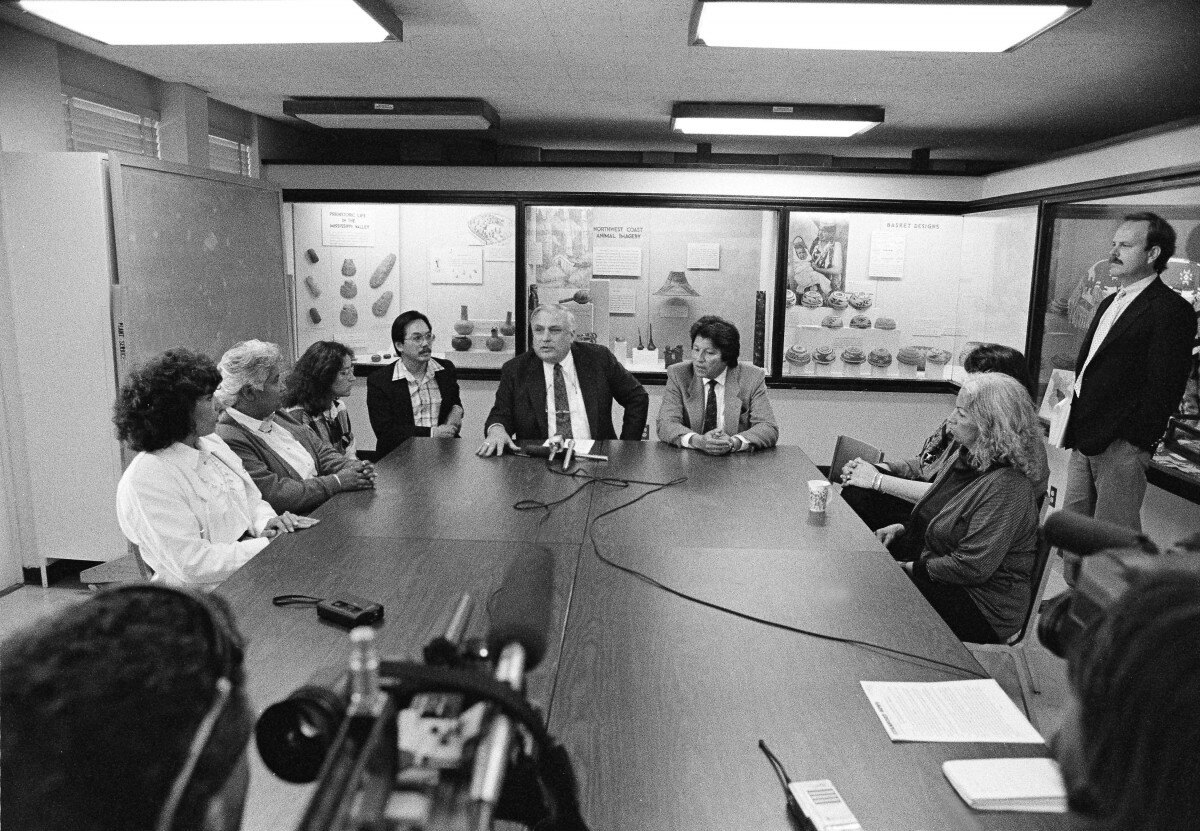
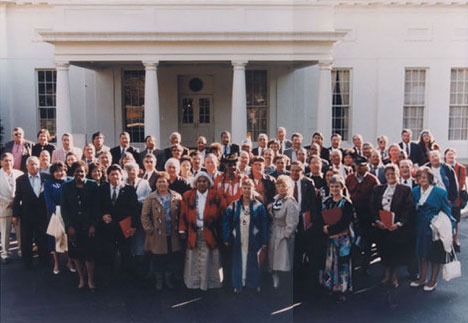
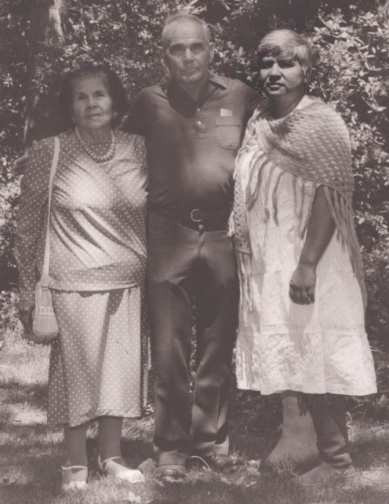
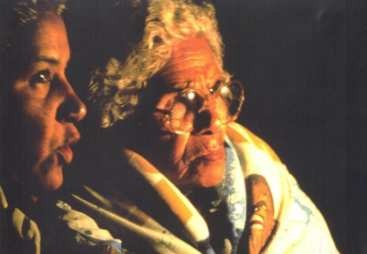
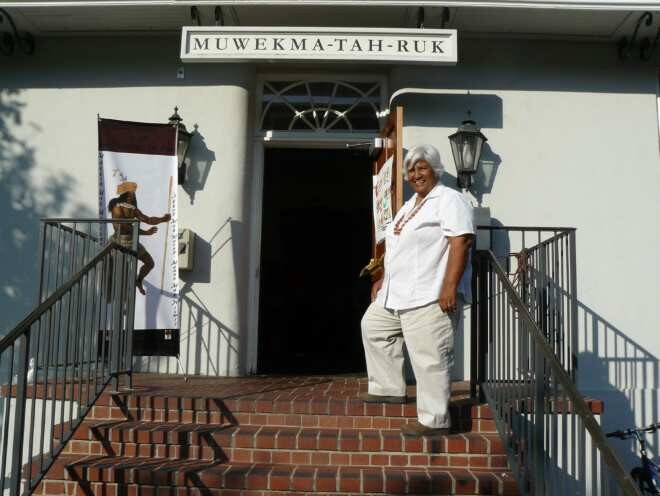
Charlene’s mother, Rosemary Cambra, was elected Chairwoman of the Muwekma Ohlone Tribe in 1984.11 She led the Tribe’s campaign to bring its ancestors home from Stanford and its petition for federal recognition,11 and served until her retirement in 2018.5
Cleanup was never going to be enough.
The cleanups revealed a deeper truth: real change required more than cleanup. It demanded systemic solutions rooted in Indigenous values of care for the seventh generation.1
The recycling operation proved what that could look like. Every fiber was reclaimed: reused where possible, transformed into new materials like carpet underlay and mattress padding, and channeled into micro-enterprises that lifted families from poverty. It was a model of environmental justice, profit with purpose, healing both the Earth and its most marginalized communities.1
But they saw that education was the missing cornerstone.1 In August 2011, Charlene Nijmeh founded the Green Education Foundation with former Tribal leadership,3 “a bridge between commercial innovation and cultural renewal.”1
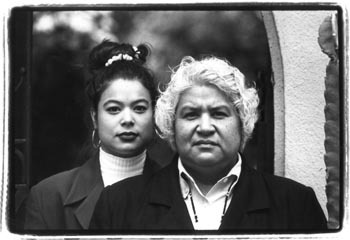
Charlene Nijmeh grew up in a Native American household, the daughter of her tribe's chairwoman, raised to believe that the people of this planet share a responsibility to protect Mother Earth.6
She has been involved in tribal affairs since she was eight years old.5 Before GEF existed, she produced an educational DVD teaching students how to live a green lifestyle.6

Charlene Nijmeh: carrying the promise forward.
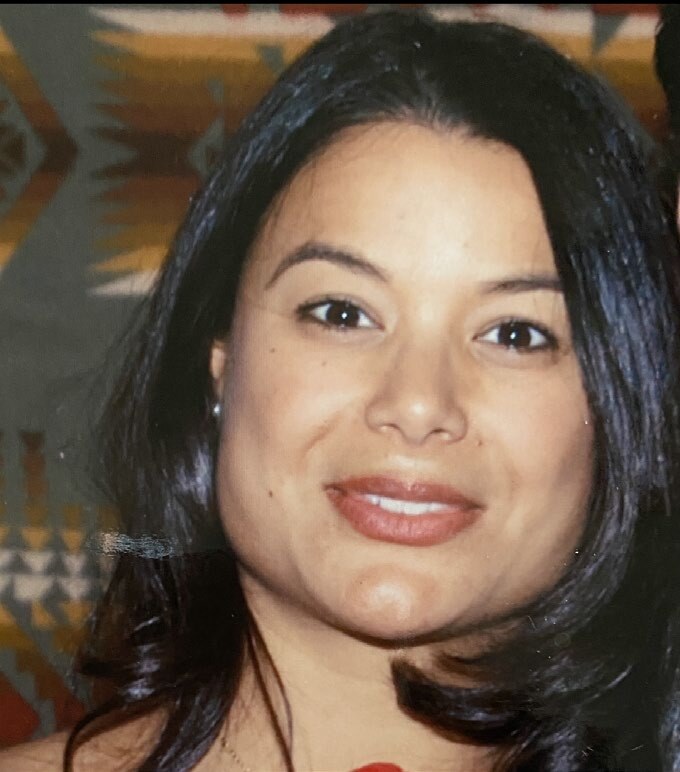
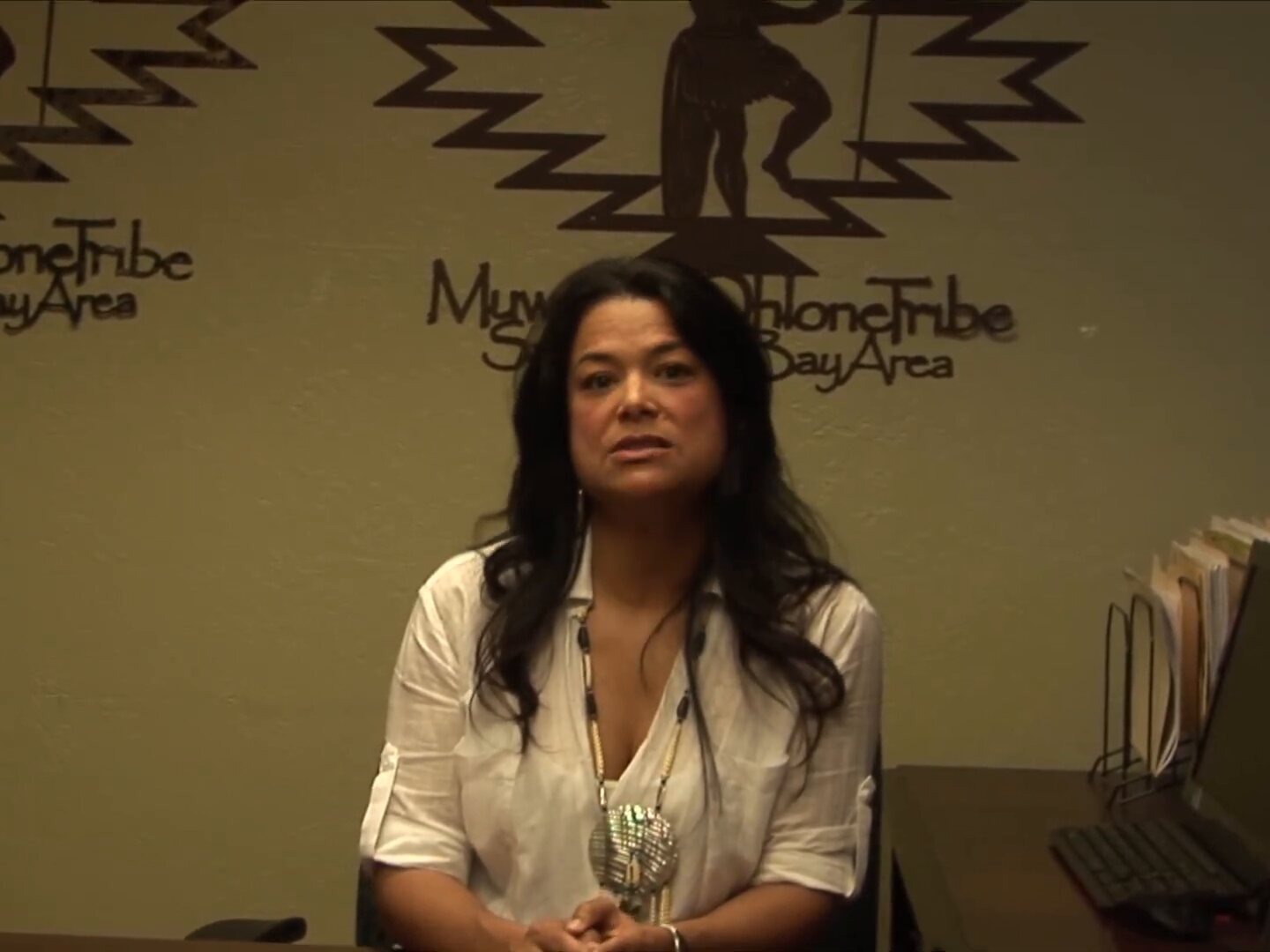
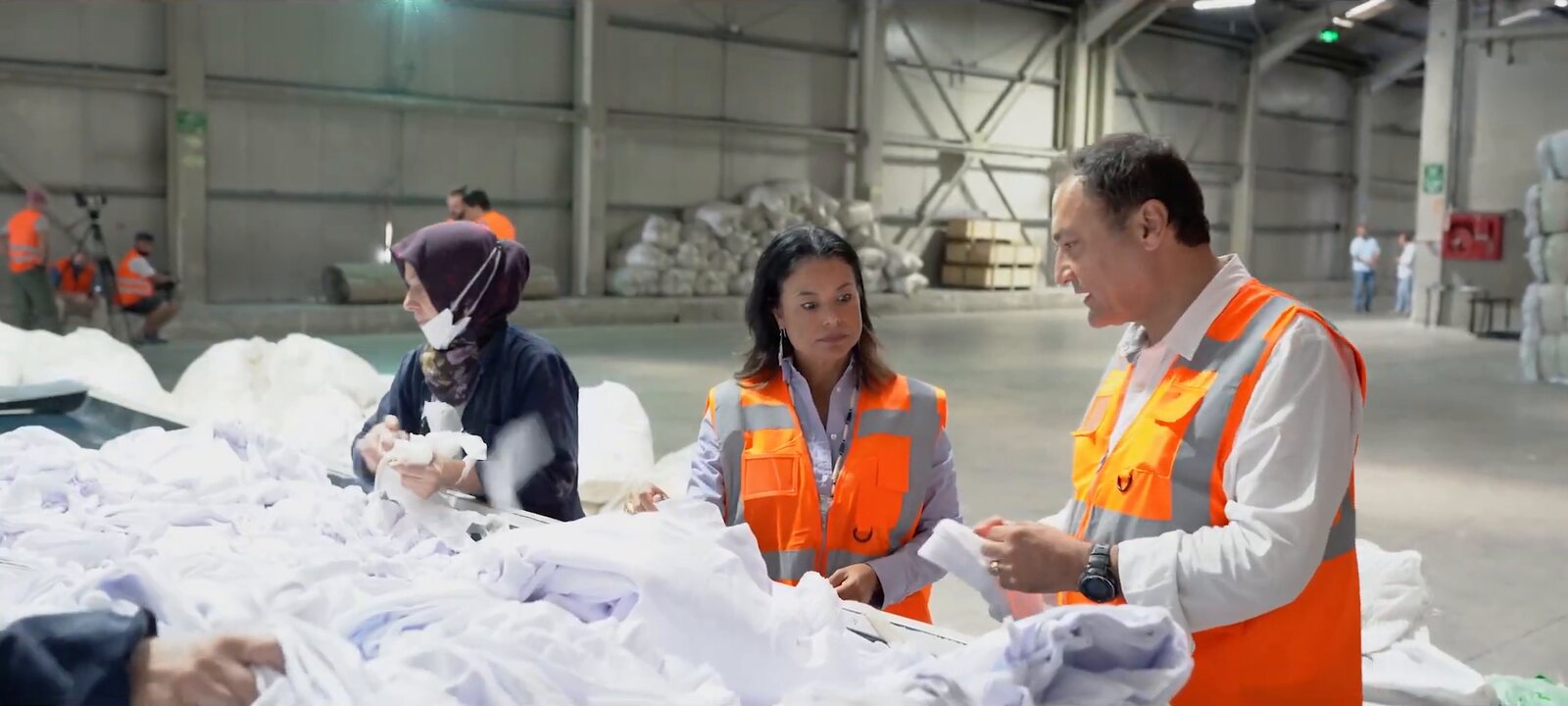
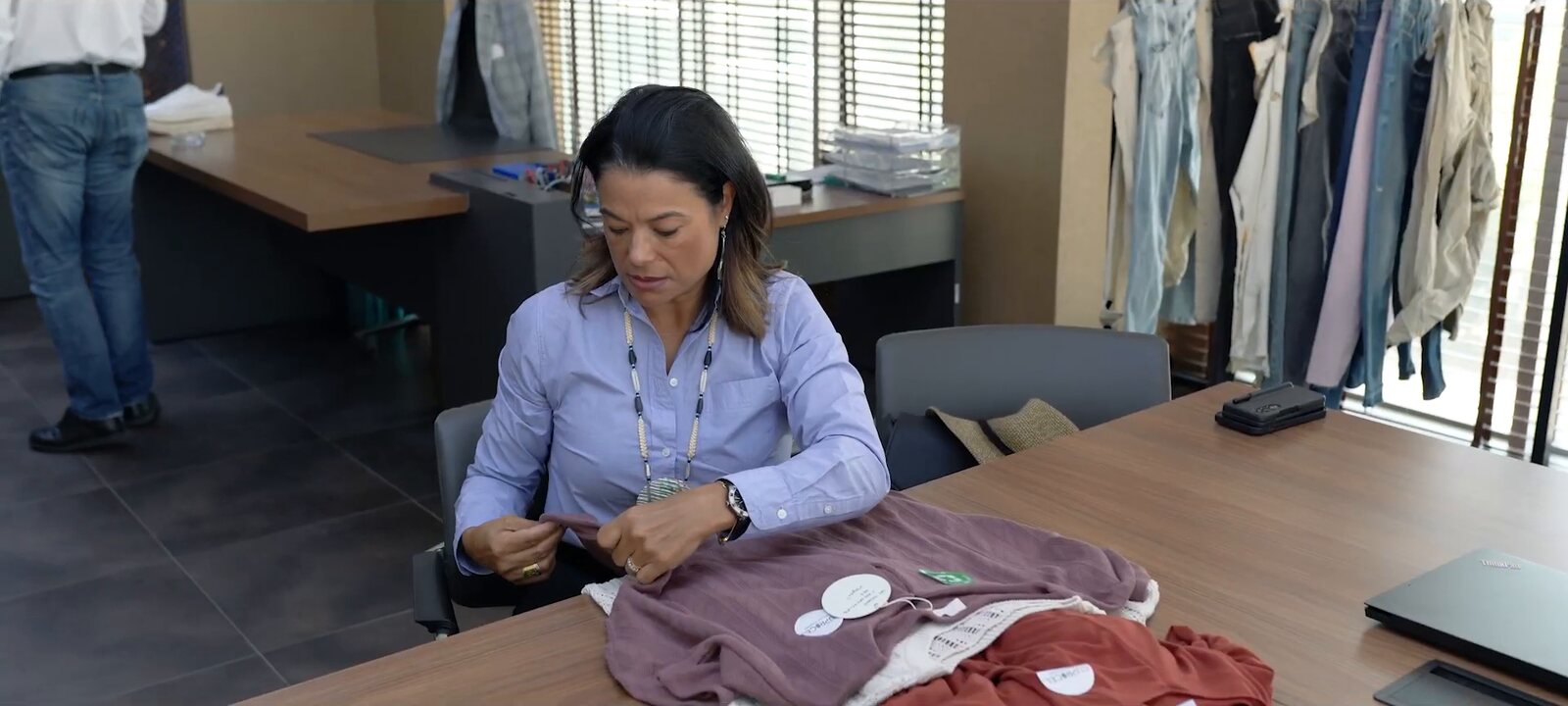
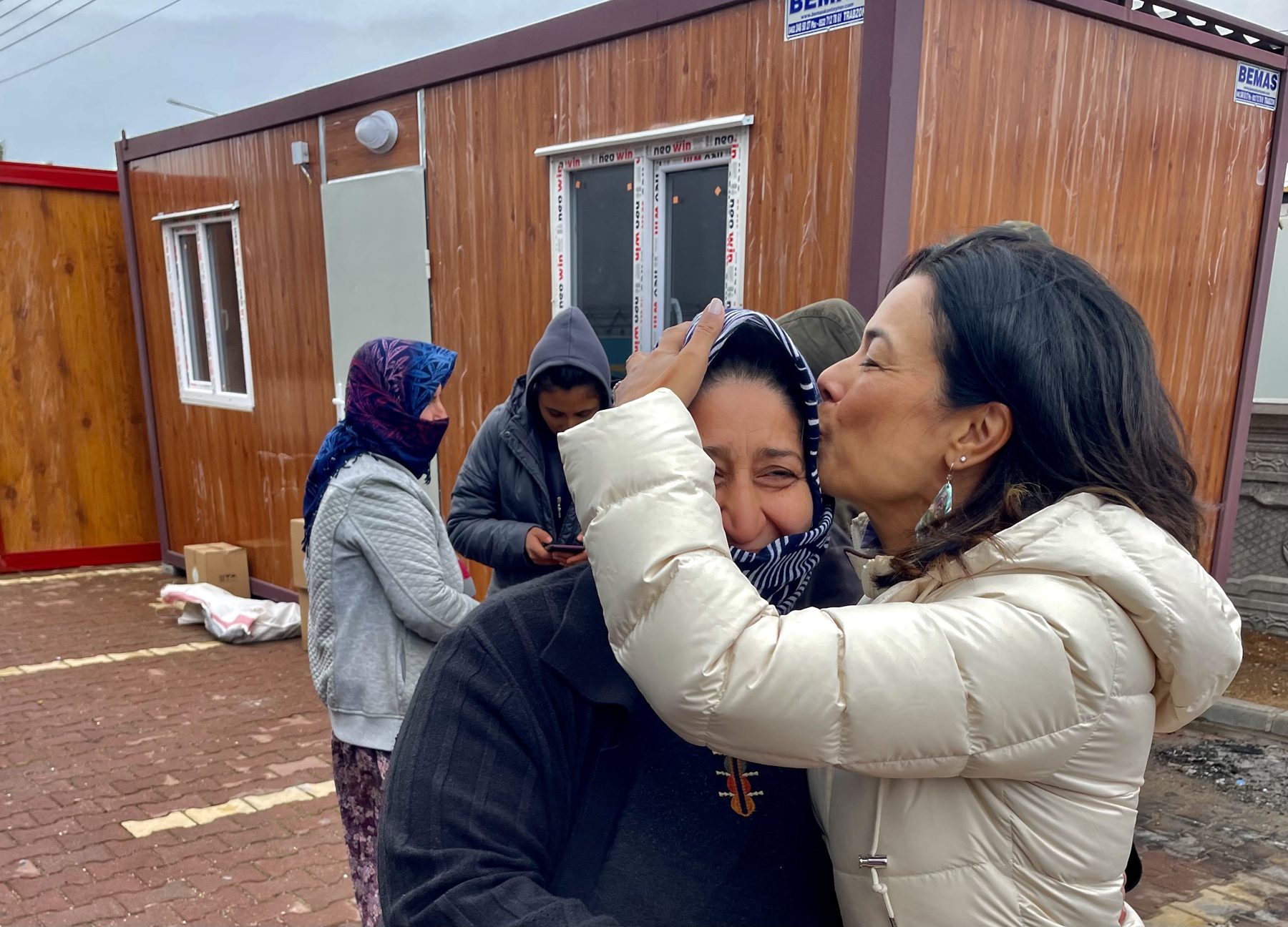
True sustainability blooms when individuals embrace mindful behavior change—small daily shifts ignite collective transformation toward a thriving, balanced planet.Chairwoman Charlene NijmehMuwekma Ohlone Tribe of the San Francisco Bay Area1
One reclaimed fiber at a time.
Survival, turned into stewardship.
The Green Education Foundation is more than an organization. It is a living testament to the Muwekma Ohlone's enduring spirit, and a call to every community to stand with the Tribe in protecting Mother Earth, one reclaimed fiber and one awakened mind at a time.1
As our own history puts it: in Charlene Nijmeh's words and work, we see “the quiet power of those who have been overlooked: turning survival into stewardship, and stewardship into hope for all future generations.”1
“My people survived genocide and lawless colonialism by staying together. We know what it takes to band together and help those in need.” — Charlene Nijmeh7
Carry the promise forward.
Every gift funds green education for children, and every bag dropped at a station keeps the promise the Tribe made to the seventh generation.