
Recycling made easy. Learning made real.
Retired shipping containers become solar-powered donation stations. What you drop off gets a second life. And the proceeds come back to our schools.12
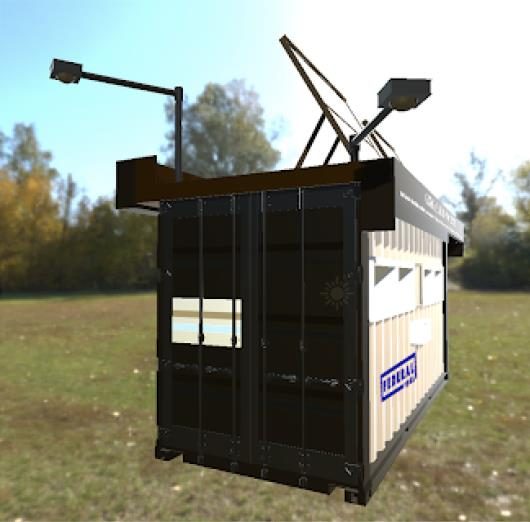
Photo: Calmuziclover, CC BY 2.0, via Wikimedia Commons, cropped
A shipping container's second life.
Our Neighborhood Donation Recycling Stations are solar-powered, camera-secured bins made from recycled shipping containers.3 They are open 24/7 and monitored remotely to keep sites safe, clean and secure.3 Each one has security drop chutes, LED lighting and an information touch screen on a footprint of about 160 square feet.4
Stations now serve communities across California, Texas and several Mid-Atlantic states.35
- Clothes
- Shoes
- Hats
- Purses & belts
- Toys & games
- Tools
- Jewelry
- Sporting goods
- Dishes & cookware
- Linens & towels
- Bedding
- Luggage
- Household items
We can't accept furniture, large appliances, mattresses or carpets.6 Donors can request a tax receipt online.6
As few items as possible ever see a landfill.
GEF has built a closed-loop recycling system.3 Here is what happens after you close the chute.
Collect
Clothing and household goods are collected at Neighborhood Donation Recycling Stations.3
Reuse
Usable items are sold through reuse and thrift stores in Latin America, extending their life.3
Repurpose
Items that can't be worn again are turned into new products such as cloth rags.3
Recycle
Leftover fabric is broken down to fiber and used for carpet underlay, mattress padding, furniture filling and building insulation.3
Give back
Proceeds fund green programs in schools and our ecology and conservation work.21
A garbage museum comes to school.
With our partner CHEER (Coastal Habitat Education and Environmental Restoration), we bring the Coastal Watershed Garbage Museum and GEF's Upcycling Exhibit straight to students. They see what dumping does to our creeks and rivers, and learn that almost everything in the museum could have been recycled instead.7
Then students take home a “green assignment.” Families clean out closets and garages, and for each bag of items recycled, the school receives $2.7
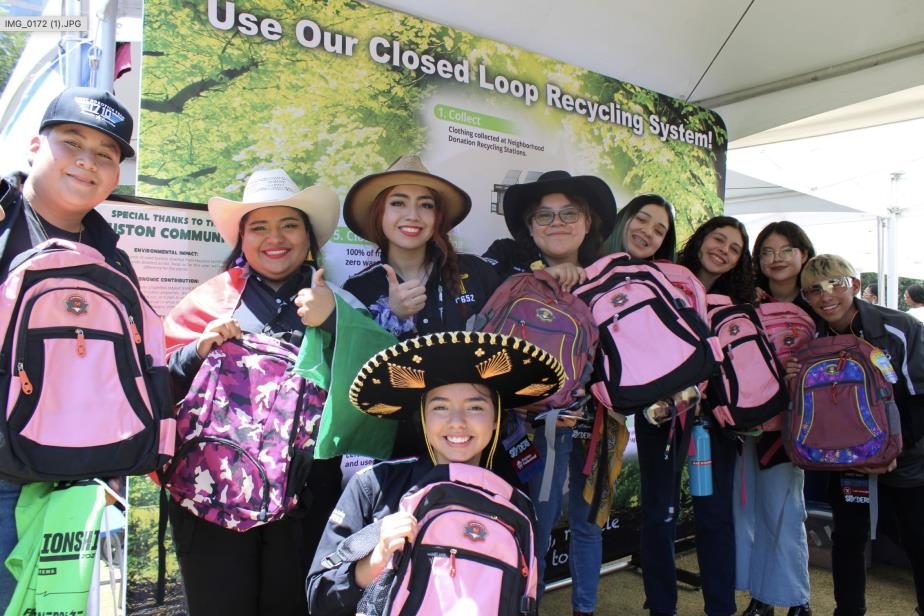
Trade an old one for a new one.
Each summer, students bring in unwanted items and leave with a brand-new backpack full of school supplies.8 Our backpack exchanges have provided thousands of free backpacks to underprivileged communities.3
Schools that host a Backpack Exchange or a donation station are prioritized.9 In Marina, California, the program costs the city nothing and gives students new backpacks during the exchange, according to Mayor Bruce Delgado.10
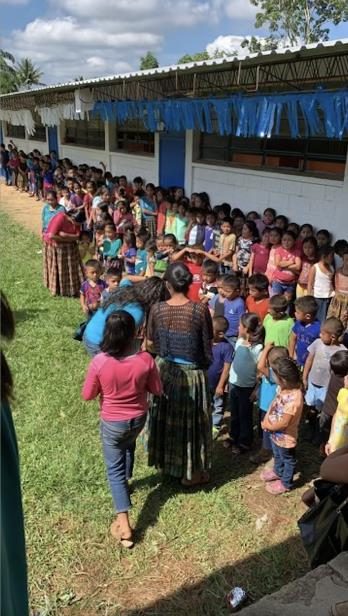
Where communities gather, we show up.
Every program starts with one bag.
Drop off what you no longer need, bring GEF to your school, or host a station on your property.