
The future is decided in the classroom.
Ecology curricula, hands-on workshops and open-source lesson plans that teach young people how their behaviors affect our planet.1
Photo: Ixfd64, CC BY-SA 3.0, via Wikimedia Commons, cropped
Awareness, not argument.
Research tells us our most impressionable years fall between the ages of 7 and 16.2 That's when we build the perspective that guides the rest of our lives.
Our goal is to simplify complex issues for children, not confuse them with the debates of any one side. The only issue we concern ourselves with is awareness.2
Lessons draw on what students can see in their own communities and local environments: sustainability (careful planning of our planet's limited resources), global warming, carbon emissions, and the economics of balancing our needs with the needs of future generations.2
Learn it. Live it. Keep it.
GEF and Coastal Habitat Education and Environmental Restoration (CHEER) bring green education directly to schools in three parts.3
Learning
CHEER brings its Coastal Watershed Garbage Museum to show the dangers of dumping in our waterways. GEF sets up its upcycling booth to show how donated items are processed and reused.3
Participation & rewards
Students take home a “green assignment” and a flyer listing what can be recycled. Families clean out closets, garages and kitchens, and the school receives $2 for every bag.3
Reinforcement
At the end of the year, the Backpack Exchange trades recycled items for free backpacks and school supplies, reinforcing the habit all summer.3
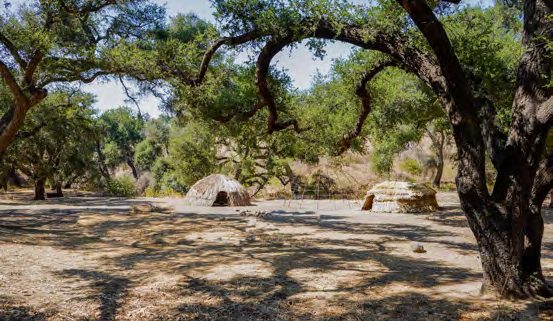
Seeds grow to become strong trees that seed their own generation of trees.Green Education FoundationOn planting the seeds of awareness2
Tools for every classroom.
Gen-7 School Curriculum
Named for the seventh-generation principle. Hear teacher Shelby Kocee describe it in our video.
Watch the video →Open-source lesson plans
Free lesson plans that bring sustainability education into the classroom.1
Request lesson plans →Educational DVD
Before GEF existed, Charlene Nijmeh produced an educational DVD teaching students the importance of living a green lifestyle.2
Workshops & field trips
Interactive workshops and field trips to landfills, recycling centers and green manufacturers help students connect the dots, because lasting impact comes from engaging all the senses.3
Become a Green Leader.
Teachers, parents, college students and environmental enthusiasts can volunteer as Green Leaders, helping us take programs to more classrooms.3
Bring the planet into your classroom.
Tell us about your school and we'll help you choose the right program.