
Protect what sustains us all.
A Tribe that fought for generations to be recognized knows that change rarely arrives on its own. We work with cities, lawmakers and communities to make reuse the easy choice.
We speak for the seventh generation.
The Muwekma Ohlone have endured displacement, cultural erasure and a relentless struggle for federal recognition, a fight that claimed the lives and freedoms of generations.1 GEF was born from that resilience.
Today our founder, Charlene Nijmeh, speaks as Chairwoman of the Tribe2 and as a leader in textile recycling, carrying the same message to city halls and stadiums alike: we have a duty to the people who come after us.
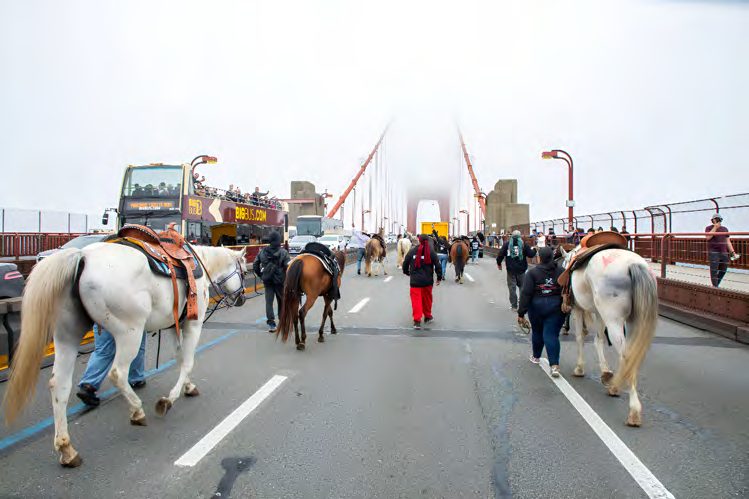
We do not have the luxury anymore of hoping things will get better. We do not have the luxury anymore of praying things will get better. We must stop talking and start acting like we care about our children.Chairwoman Charlene NijmehEarth Day message3
When policy makes room, recycling grows.
Houston opens its doors
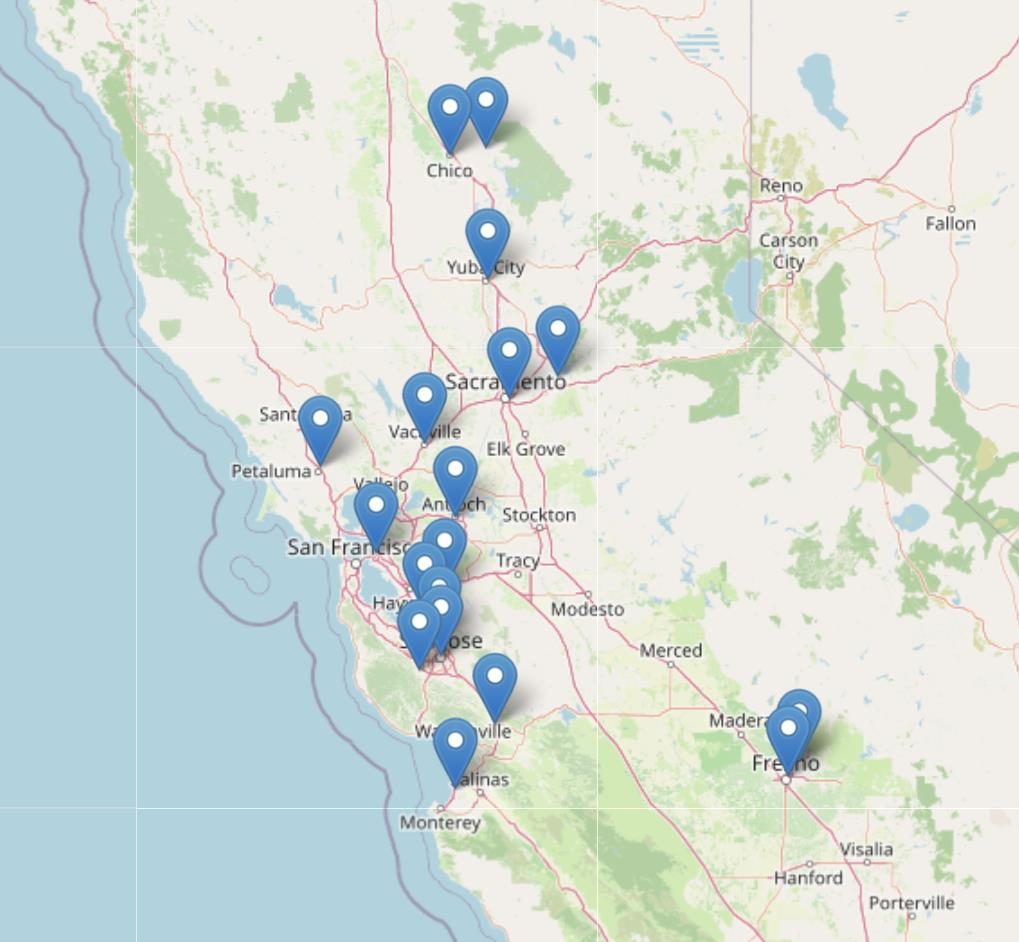
Houston City Council passed a Donation Station ordinance allowing GEF stations throughout the city, thanks to Council Member Martha Castex-Tatum and her colleagues. GEF then diverted 1,032,624 pounds of textiles in Houston and 5,893,421 pounds across Texas in a single year.4
See the Houston model →Cities pay nothing
“It has been such a positive program for the City of Marina that I would recommend this to any City in order to enhance their existing recycling program.” — Mayor Bruce Delgado, Marina, California5
A first for the military
Laughlin Air Force Base became the first military base to adopt a GEF station.6
SB 707 and the end of throwaway textiles.
California's Responsible Textile Recovery Act of 2024 (SB 707) follows the Extended Producer Responsibility model: manufacturers, importers and wholesalers take responsibility for the full lifecycle of their products.7
It is estimated that 95% of used textiles are recyclable, yet only 15% are diverted from landfills. California generates 2.8 billion pounds of textile waste a year and diverts just 423 million.8
GEF helps businesses and property owners build compliant, measurable textile-recovery programs, with diversion data from every station.79
A movement, not a campaign.
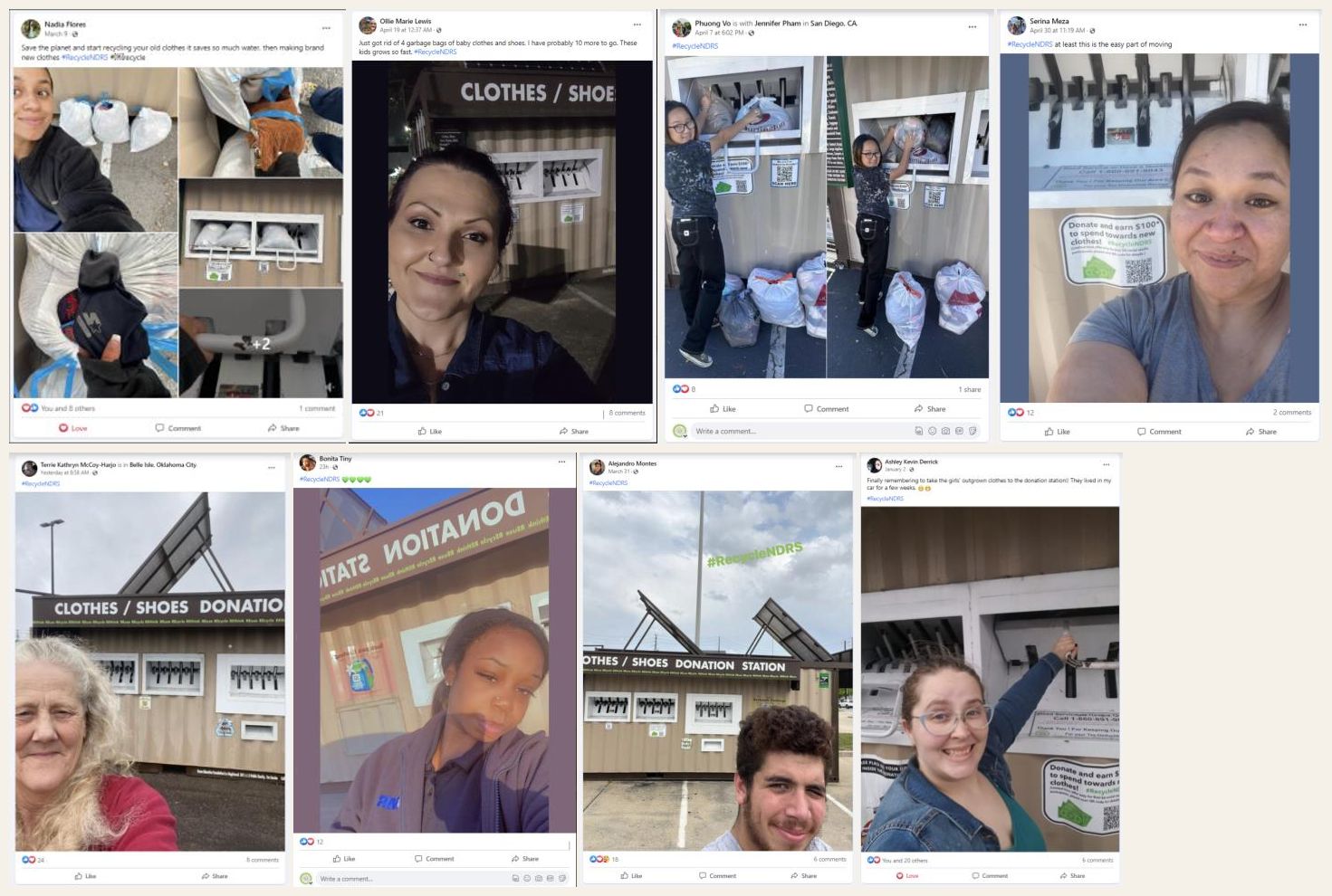
We are building a movement about winning hearts and minds in order to change behavior.8 Our #RecycleNDRS selfie campaign invited neighbors to share a photo at their station.10
Every post is a small act of persuasion: a friend sees a friend recycle, and the norm shifts a little.
Solidarity is part of stewardship.
When disaster strikes, GEF answers. After the earthquakes in Türkiye, Charlene Nijmeh led a humanitarian relief tour delivering food, supplies and blankets. GEF's Ukraine relief totaled 300,000 pounds of clothing, jackets, blankets and supplies.11
“My people survived genocide and lawless colonialism by staying together. We know what it takes to band together and help those in need.” — Charlene Nijmeh11
Let's make reuse the default.
If you're drafting an ordinance, planning SB 707 compliance or building a municipal textile program, talk to us.